I often hear people say, “I just want one really good photo of us as a family.”
And I get it. We’ve all grown up with the idea that a single photo—everyone smiling at the camera, looking their best—is the goal. It’s the photo that gets printed, shared, and maybe framed on the wall.
And yes, I want you to have great honest unposed single images too. But for me, that’s not what drives me.
What I care about is the story.
Not just a single highlight moment, but a whole slice of your life—told through a series of photographs. Because while a single image can be powerful, it’s often the way multiple images work together that really captures the heart of your family.
In this post, I want to show you how stories unfold in documentary photography, share a few real-life examples, and give you some insight into how to use storytelling when creating albums or wall art.
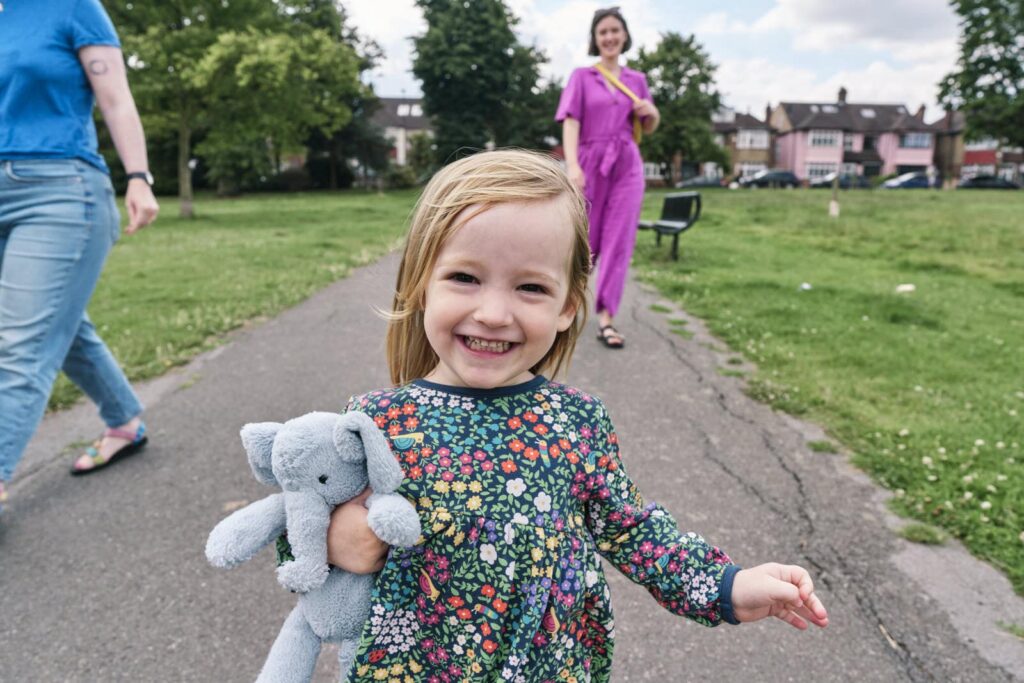
More than just “the one good photo”
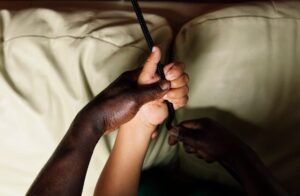
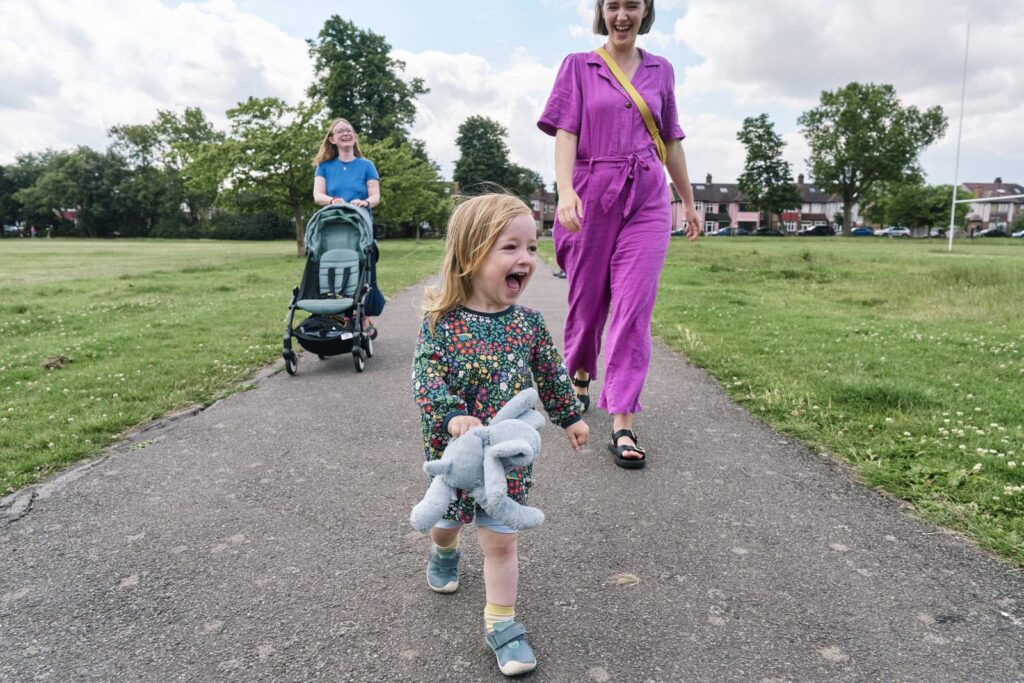
Of course, I want you to have individual images you love—photos that make you stop and feel something. That one beautiful frame you might print or hang on the wall. And you will have plenty of those images that will be really powerful and beautiful on their own. However, sometimes a single photo can’t quite hold the whole feeling or story of a moment. So, therefore, I actually don’t turn up to your session trying to get “the shot.” I come to spend time with you and your family, to document the way your day unfolds. To tell your story through a collection of photos which becomes a visual narrative. The magic is in how the different single images work together. I photograph in a way that allows a story to unfold across multiple images. I capture a mix of wider scenes, small details, and different perspectives—because together, these photos tell a fuller story.
Real-Life Example: A Story in the Park
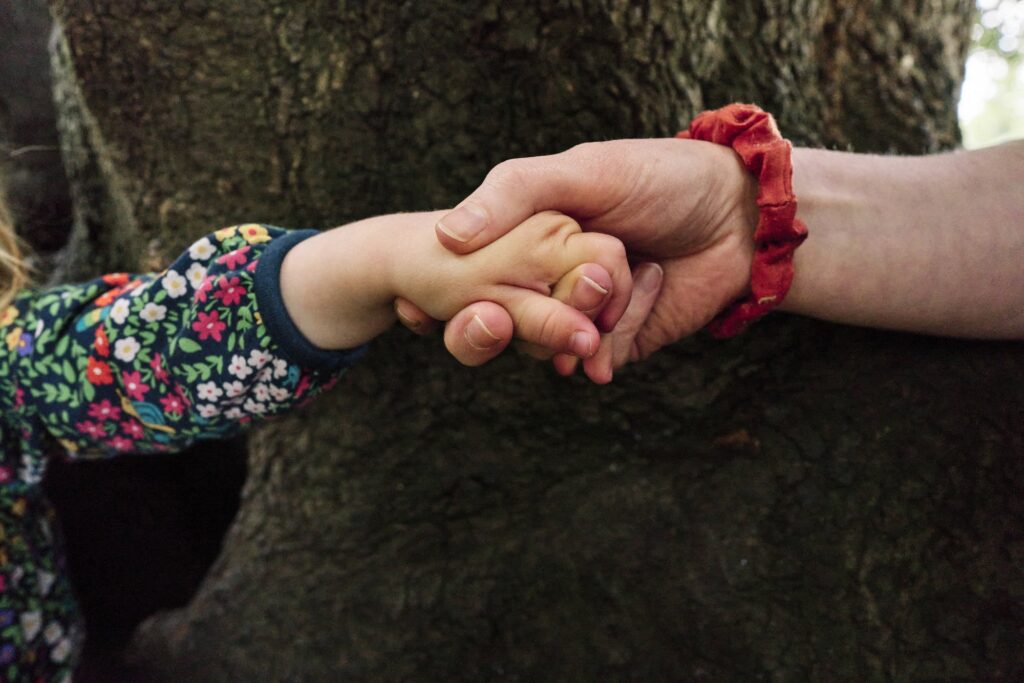
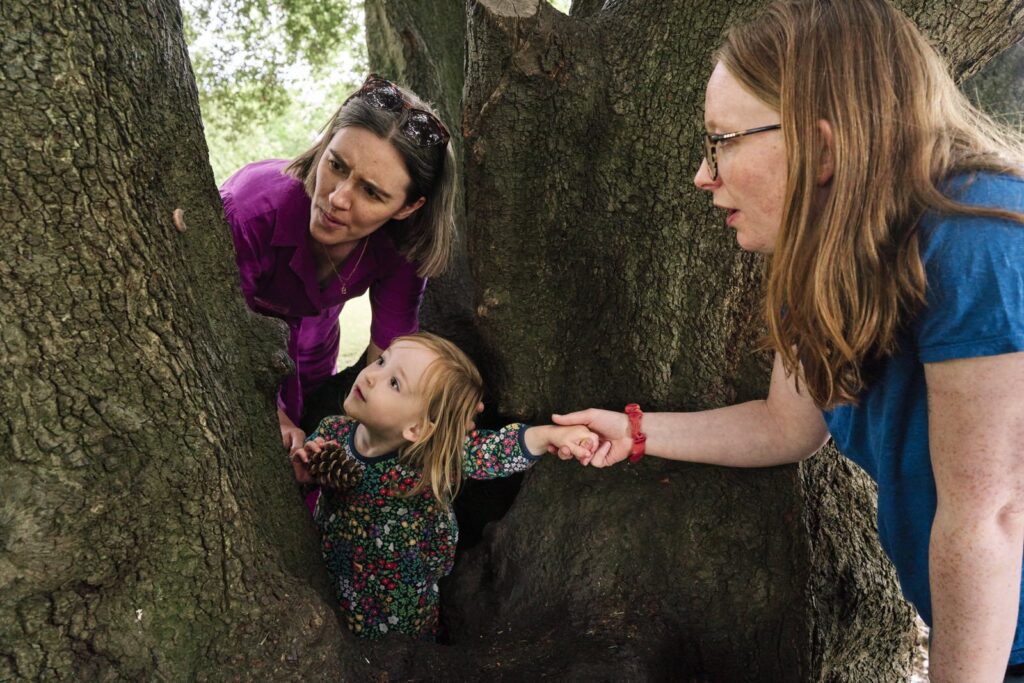
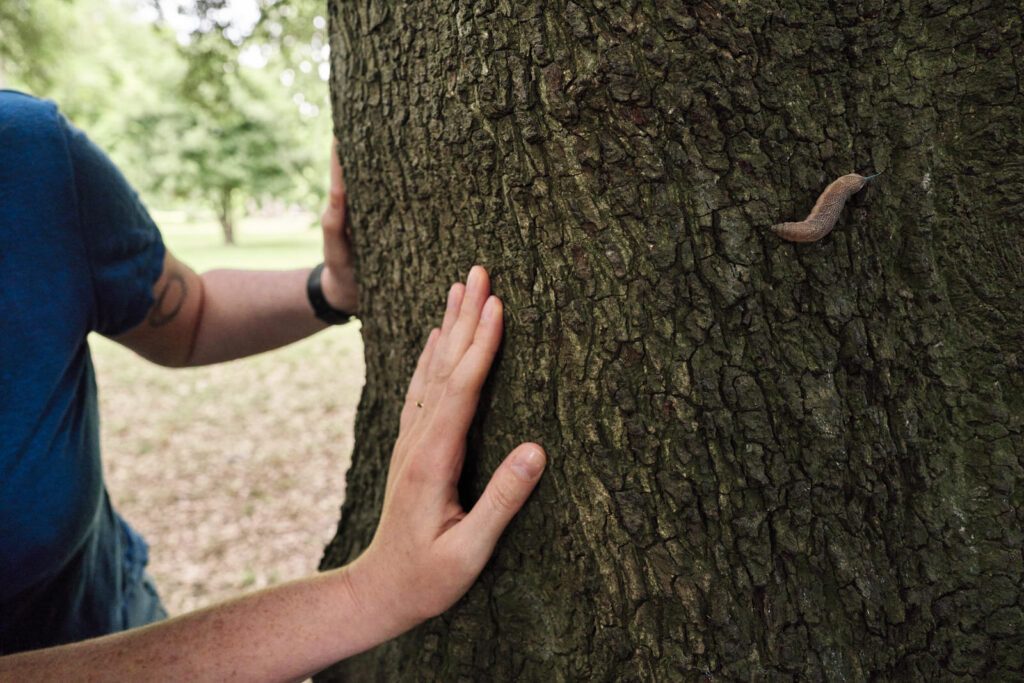
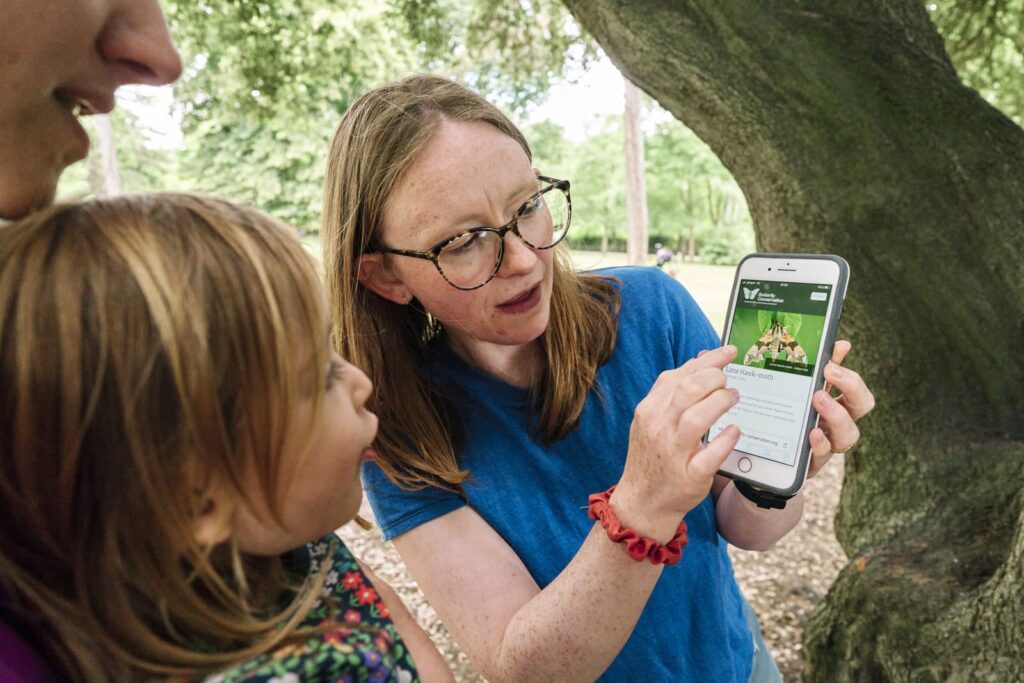
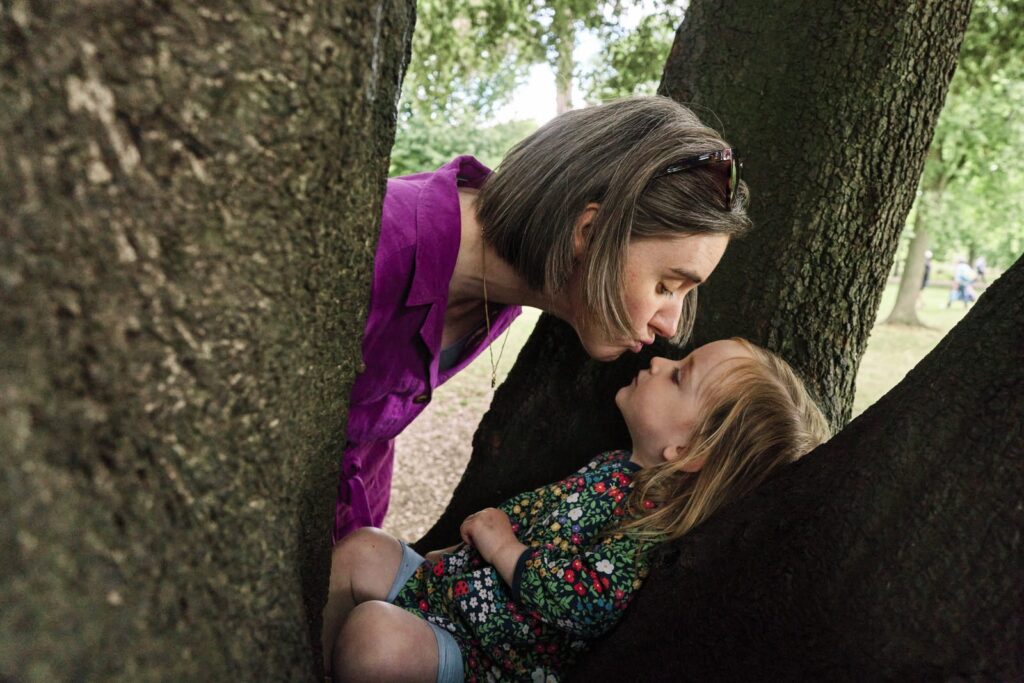
To illustrate what the story looks like when I photograph, I will show you an afternoon I spent in the park with two mums and their young daughter. On of the stories from their day that I captured is that we came across a huge caterpillar on a tree.
There’s a photo of the little girl climbing up to see it, her mums by her side. A close-up of the caterpillar. Her hands gripping her mother’s as she climbs up. A kiss shared in the branches. Then, a photo of the three of them looking at a phone, trying to figure out what kind of caterpillar it was.
On their own, each image is lovely. But together? They tell a story about curiosity, connection, support, playfulness, and learning. A story told from different viewpoints, which gives a fuller picture of what that moment was truly like.
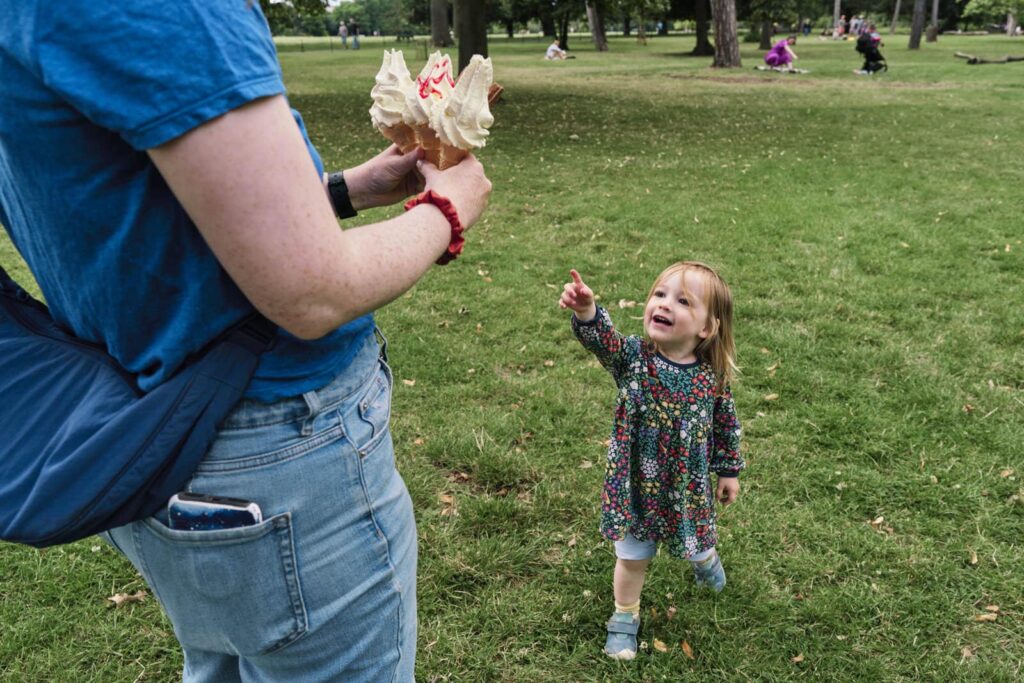
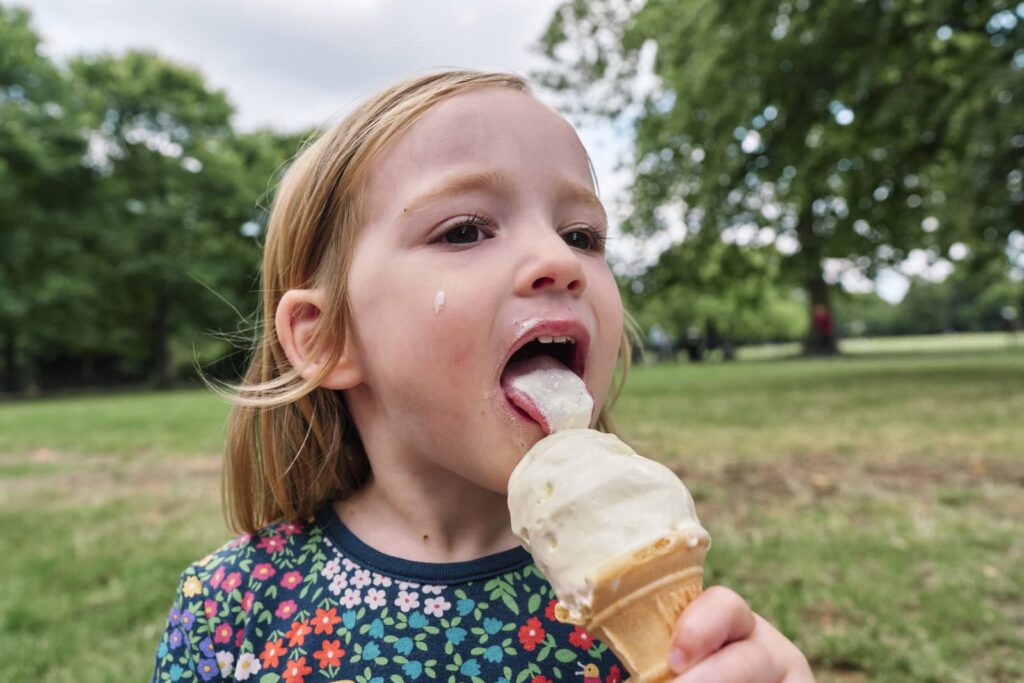
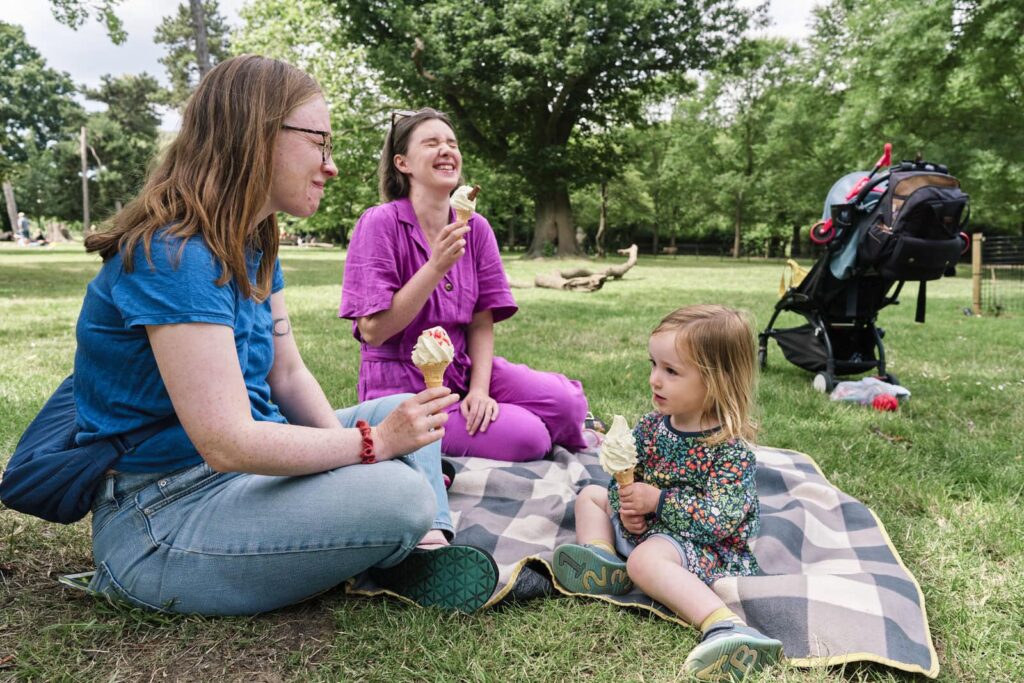
Later, they shared ice cream. The girl was pointing eagerly as the cones arrived. A close-up of her sticky face as she licks her ice cream. All three of them laughing on a picnic blanket. Again—each image holds its own, but as a sequence, it becomes a fuller memory. A shared moment with layers of meaning.
How I Photograph with Story in Mind
My background in filmmaking really influences how I shoot. In film, we talk about coverage—getting a variety of shots that work together to tell a scene. You need wide shots to set the scene, mid-shots for action, and close-ups for emotion and detail.
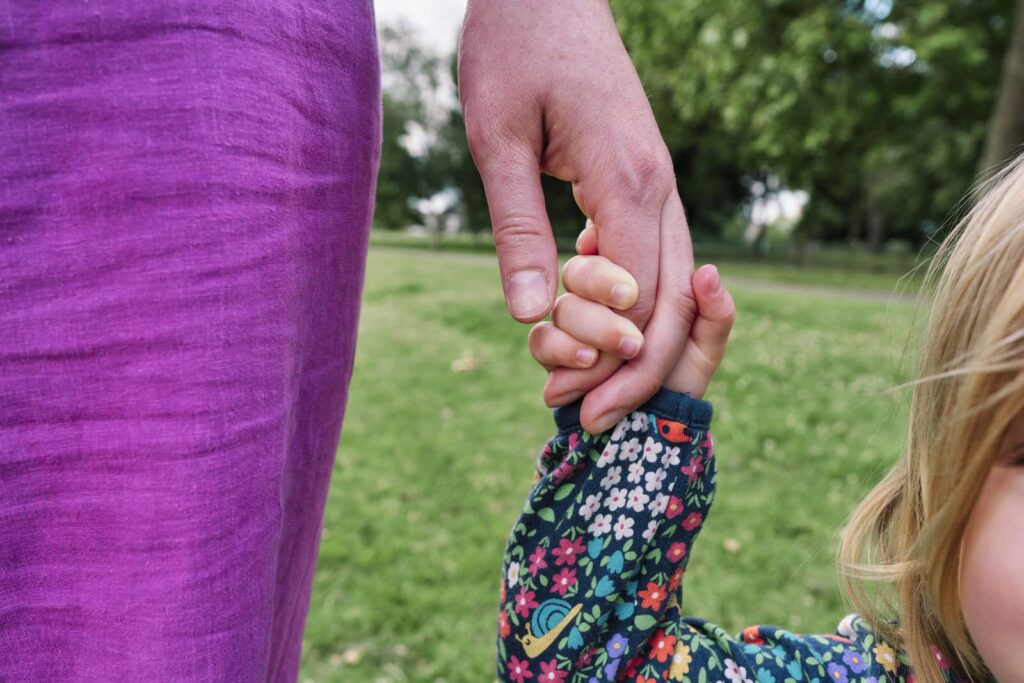
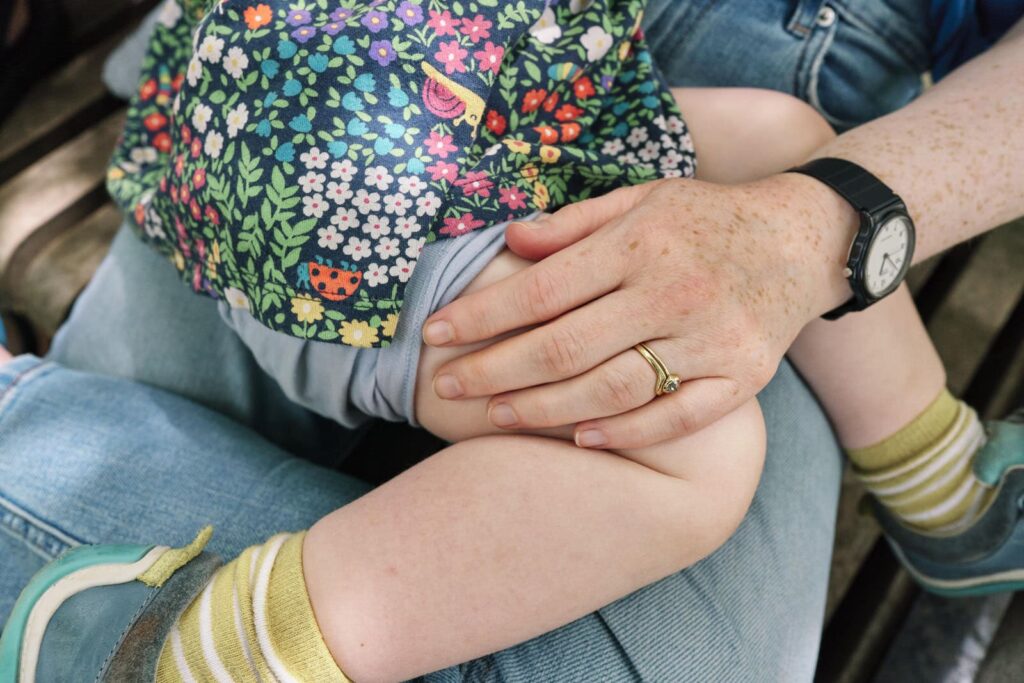
I use the same approach in photography. When something starts to unfold—gardening, baking, a tearful moment, a snuggle—I stay with it. I don’t take one image and move on. I follow it. I photograph the wider scene, the interaction, the little details: a muddy hand, a hand on a knee, a shared glance.
I shoot with the sequence in mind—layering different perspectives and pacing to tell a more complete story. It’s what gives your gallery depth and helps it feel like a lived experience, not just a highlight reel.
What Makes a Strong Photo Story?
A good photo story often includes:
- Flow – a beginning, middle, and end
- Context – a wide shot that shows where the moment is happening
- Connection –photos that show how people are relating
- Emotion – the feelings that make a moment matter
- Detail – close-ups that draw you in and give more context or feelings
- Variety – each image adds something new, no near-duplicates
And here’s the best part: you don’t need to think about any of this during your session. I’ve got you. But understanding how this works can really help when it comes time to decide what to do with your images.
From Story to Display: Albums and Wall Art
When you think about creating a gallery wall or a photo album, it’s easy to focus on choosing just the “best” or most polished shots. But if you shift your mindset toward storytelling, everything opens up.
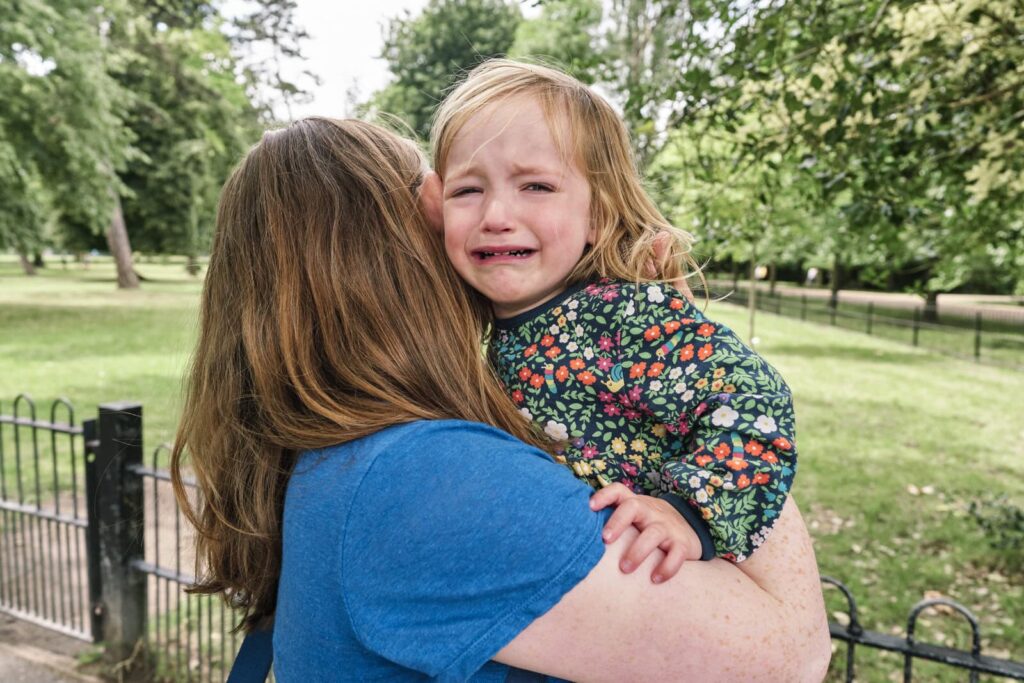
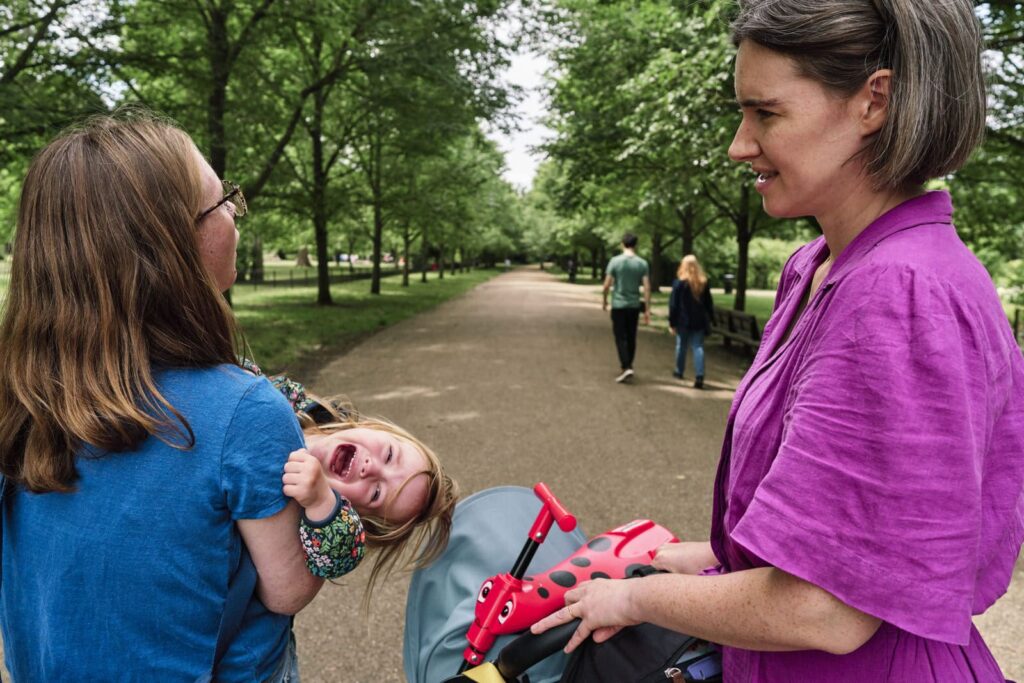
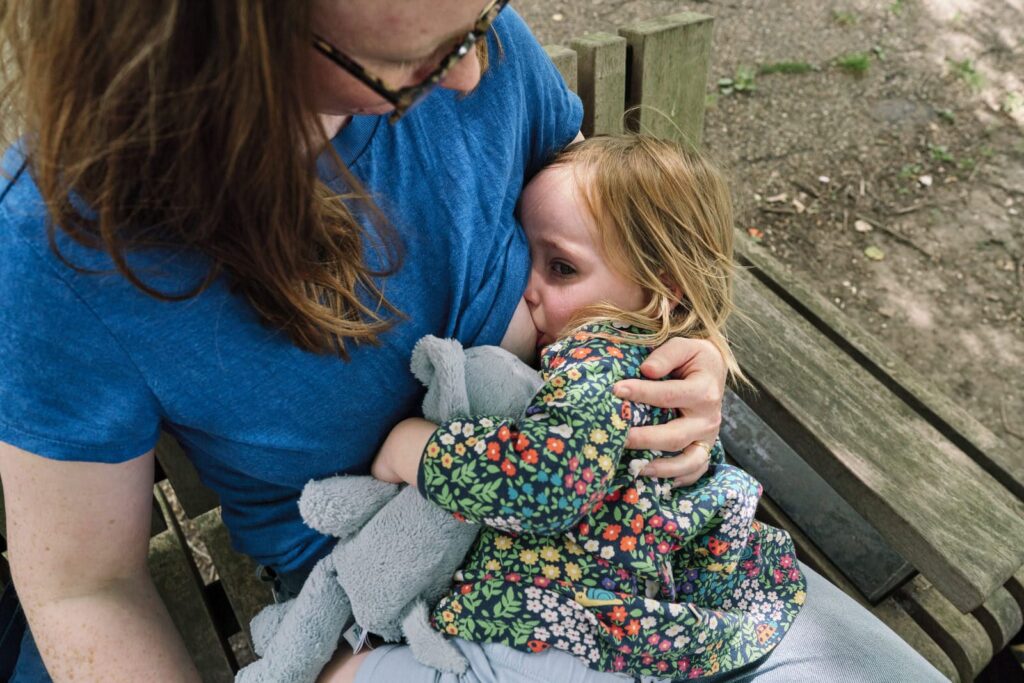
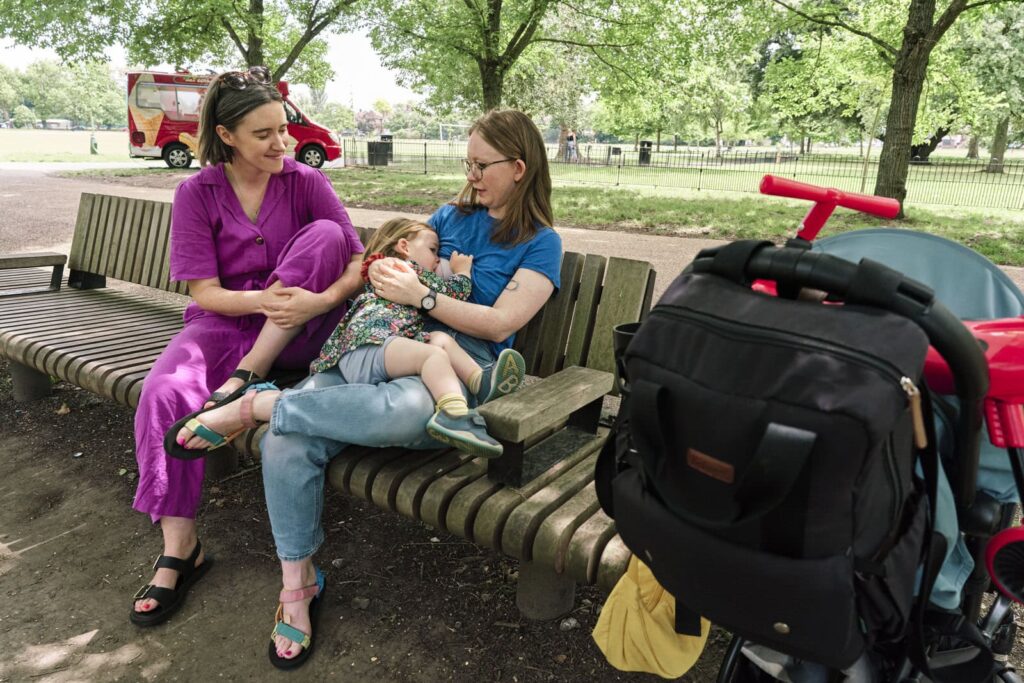
A wall gallery doesn’t have to be made of perfect portraits. It can be a sequence—a child all tired from playing in the park, crying, getting comfort, breastfeeding and then falling asleep in their mother’s arms. A little visual poem right on your wall. If you want more tips on how to curate a family gallery wall? I’ve written a full blog post about it here:
Create a Gallery Wall with Your Family Photos
And albums? That’s where storytelling really shines. Instead of a collection of highlights, an album lets a whole story unfold, page by page. You’ll see how your day felt with all the details, moments, looks, relationships and emotions.
Let’s tell your story
If this way of working speaks to you—if you want honest, connected, beautifully imperfect photos that reflect who your family really is—I’d love to hear from you.
📬 Send me a message
📞 Book a free call to chat and find out more
Let’s create something real, layered, and full of meaning. Something your future self—and your kids—will thank you for.